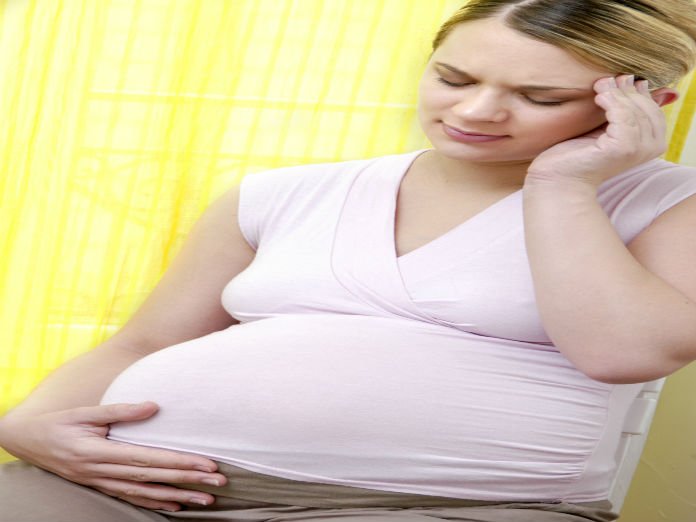
Dizziness is common during pregnancy. It mostly happens during the first trimester, but for some this uncomfortable symptom can be experienced during the entire pregnancy.
A Consultant Gynecologist and obstetrician, Cloudine Hosptital, Mumbai, Dr. Meghana Sarvaiya said that

‘The most common causes of dizziness during pregnancy are hormonal changes that happen in the body and fluctuations in blood pressure. Low blood pressure during pregnancy is a common occurrence and dizziness might just be symptom of the same.
This mostly happens during the first trimester. However, dizziness after the fifth month of pregnancy could also be linked with pregnancy-induced hypertension’.
During pregnancy, there are many changes in cardiovascular system goes for a dramatic change; blood vessels relax and widen to help blood and nutrients reach baby, heart rate increases, blood volume almost doubles to meet the needs of the mother and baby and heart pumps more blood per minute. All this makes the blood returning to your veins slower. This causes a drop in the blood pressure during pregnancy. ‘Your blood pressure can reach a low point during mid-pregnancy which can be treated by correcting the electrolyte balance,’ says Dr Sarvaiya.
Even though the blood returning to your veins slows down, your heart and brain are quite capable of adjusting to these changes. When they take time to adapt to this change that is when you suffer from temporary dizziness.
Your blood pressure returns to normal sometime during the middle of your pregnancy when your body adjusts to the hormonal and physiological changes. ‘However, dizziness needs to be addressed if it continues to be an issue. Many expectant urban mothers who suffer from dizziness even after the fifth month of pregnancy are checked for pregnancy-induced hypertension. This is more common in women who have a family history of hypertension multiple pregnancies, IVF conception among other reasons. This is why constant dizziness needs to be addressed as undetected hypertension or preeclampsia could lead to smaller babies, intrauterine bleeding or even premature labour,
How to deal with dizziness
If it is just a one off incident, you might not want to lose your sleep over it. But if you feel dizzy throughout the day, better get your blood pressure checked by your doctor to address the underlying cause. Here are few ways in which you can deal with dizziness during pregnancy:
- Get up slowly from your seat. Remember when you sit blood pools in your feet and lower limbs. If you just spring up from your chair, the blood returning to your heart and brain might not be that quick and this could lead to a drop in blood pressure and make you feel faint.
- The same could happen when you stand for too long. So avoid standing for too long and take breaks in between. If you can’t sit, move from time to time to avoid blood pooling in the lower limbs.
- Avoid lying on your back, especially during your second and third trimesters. Your growing uterus puts pressure on your major organs like the heart, lungs and kidneys. The worst that happens is it makes the blood flow slower and pressure to drop leading to a fainting spell when you get up. This is one of the many reasons why pregnant women are advised to sleep on their sides.
- Dehydration and long gaps between meals could also be a reason that could lead to dizziness. Drinking eight glasses of water and eating meals at regular intervals can help prevent this.
- Pregnancy induced anemia could also be a reason to suffer from dizziness during pregnancy. So take your iron capsules on time and eat foods like spinach, fenugreek, beetroot that are rich in iron.
- Avoid too much exertion and stress, like lifting heavy weights or over exercising which could also lead to the same. Sometimes wearing too tight clothes can also lead to overheating followed by dizziness. The same is true for hot baths and saunas (which you should definitely avoid during pregnancy).
When to seek a medical help
Though dizziness is usually harmless (unless diagnosed with a condition like preeclampsia), you need to reach out for help if you experience blurred vision, abdominal pain, impaired speech, chest pain and vaginal bleeding along with dizziness. This could indicate a medical emergency which needs immediate attention.
The Precautionary measures to take
During a dizzy spell if you have no help around, first, sit down and take some deep breaths. Try to make a sugar-salt solution for yourself and sip it. If you have gone without food for too long, try eating something like an apple or pear. Once you feel good call up a friend or family member to help you get to your home or a safe place